- within Tax topic(s)
- with Senior Company Executives, HR and Finance and Tax Executives
- in European Union
- with readers working within the Accounting & Consultancy, Aerospace & Defence and Banking & Credit industries
- with Senior Company Executives, HR and Finance and Tax Executives
- with readers working within the Accounting & Consultancy, Aerospace & Defence and Healthcare industries
THIRD-PARTY RESOURCES TAKING CRA AUDITS TO THE NEXT LEVEL
As we have previously written here, the Canada Revenue Agency ("CRA") has significantly expanded its audit activity in the residential real estate sector – particularly targeting homeowners and renovators as "builders" for GST/HST purposes, triggering tax on the sale of homes following substantial renovation (and parallel income tax exposure). In another troubling trend, CRA is now using third-party sources like MLS Listings to rebut taxpayer positions that these homes were intended as personal residences – often to great surprise and disappointment of the "builders".
Real Estate Audits & Use of Third-Party Sources
According to the CRA's most recent national audit report, the Agency completed more than 2,200 GST/HST audits between April 2024 and March 2025, resulting in approximately $231 million in assessments.
With that level of resourcing, auditors now can go well beyond the information that taxpayers voluntarily provide, including diving into third-party social media and internet sources to establish a "competing version of the facts". For example, we have seen the following sources relied on by CRA Audit (and ultimately CRA Appeals) – all with a particularly devastating effect on the persons assessed:
- MLS Listings: Archived listings reconstructing timelines and marketing claims made during those times (e.g., "building lots");
- Listing Photos: MLS photos and other publicly available photos to test claims of occupancy after construction;
- Building Permits: Municipal building permit information to assess the true extent of renovation, and construction timing;
- Bank Records: Bank loan records and service addresses to confirm occupancy as a primary place of residence; and
- Past Audit Files: Prior CRA audit files involving the same property or the same builders.
The "facts" of these cases often drive ultimate success and these third-party sources can be telling – particularly when telling a different story than the one being claimed by the person assessed.
Why Do I Care?
One of the most common mistakes we see in CRA real estate audits is the instinct to "do it yourself", which is quickly followed by a "let's hide the ball" strategy. Mistake 1 and Mistake 2 in our view.
A better strategy is to obtain professional advice (no, NOT from ChatGPT!) and leverage that advice to minimize negative results and maximize chances of success. Indeed, success in these cases usually involves presenting a complete fact-based narrative, backed by corroborating evidence and polished up like only a well-trained professional can. Whether someone is a "builder" for GST/HST purposes turns on a detailed, fact-specific legal analysis – one that the Tax Court of Canada continues to refine.
An Experienced Tax Counsel can help identify the facts that matter, frame them coherently and present the strongest possible factual and legal arguments available.
Takeaways
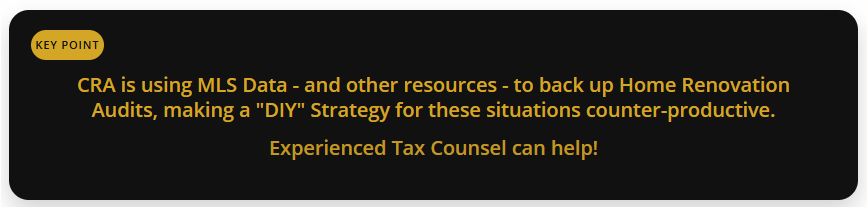
With access to MLS listings and other third-party resources, CRA is now auditing "behind the scenes" making real estate audits more than just surface-level reviews. For homeowners and builders facing CRA audits or objecting to an issued Notice of Assessment, a professionally-backed approach is advisable, and involving Experienced Tax Counsel early on can make a big difference.
Download a PDF copy of this Blog here.
The content of this article is intended to provide a general guide to the subject matter. Specialist advice should be sought about your specific circumstances.
[View Source]