
- in Canada
- within Compliance and Wealth Management topic(s)
- with Senior Company Executives, HR and Inhouse Counsel
- with readers working within the Consumer Industries and Technology industries
For the first time, Canada will serve as a host nation for the 2026 FIFA World Cup™, alongside the US and Mexico. While the commercial upside is clear, so are the intellectual property risks.
This overview explains how Canada’s existing IP framework will govern use of World Cup-related marks, content and marketing, and the practical steps businesses can take to avoid missteps before the tournament begins.
Canada has not enacted special World Cup legislation, but it has strong IP tools already in play
Unlike some past host countries, Canada has not enacted event-specific “anti-ambush” legislation for the tournament. Instead, protection relies on existing trademark, copyright and competition laws along with powerful court remedies and municipal enforcement.
Key tools include:
- Trademark protection against infringement, passing off and depreciation of goodwill.
- Copyright protection for broadcast content and event-related works.
- Border enforcement, allowing the Canada Border Services Agency (CBSA) to detain suspected counterfeit goods through a Request for Assistance (RFA). Note that RFAs must be filed in advance and remain valid for two years.
- Criminal counterfeiting provisions for manufacturing or selling fake merchandise.
- Powerful court remedies including injunctions, asset-freezing orders (Mareva injunctions) and civil search orders (Anton Piller orders), although these typically require strong evidence and are typically reserved for serious cases.
- Municipal "enforcement zones" near stadiums are designated areas where commercial activity may be restricted during the event, so businesses operating near venues should monitor local announcements. Municipalities may regulate signage, vending and commercial activity near stadiums through existing bylaw powers.
In short, Canada’s general IP framework is robust for this type of event.
Ambush marketing: What is not allowed
Ambush marketing—where a non-sponsor attempts to associate itself with an event without official authorization—will inevitably be part of the 2026 landscape. Businesses will need to tread carefully to avoid legal issues.
Businesses that falsely claim to be an “official sponsor” may face passing off or misleading advertising claims under the Competition Act. The Competition Bureau may investigate and seek penalties for false or misleading representations.
Of course, unauthorized use of any of the registered FIFA marks could trigger infringement and depreciation of goodwill claims. Some of the marks that FIFA has protected in Canada, include:
- FIFA WORLD CUP 2026™
- WORLD CUP 2026™
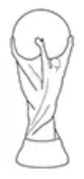
- FIFA WORLD CUP TROPHY Design®
- WE ARE 26 & Design™
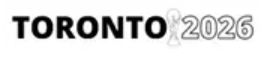
- TORONTO 2026 & Design®
- VANCOUVER 2026 & Design®

Ambush marketing within the game venues is typically addressed through ticket terms and stadium policies.
However, purely associative marketing that avoids protected marks and false claims may be permissible. For example, general soccer or summer sports themes without World Cup references.
We recommend seeking legal advice before launching any marketing campaigns to ensure they will not result in a legal claim.
Broadcasting and streaming: A focus on real-time enforcement
For a tournament of this scale, broadcast rights are enormously valuable. In Canada, Bell Media (TSN/RDS) holds the exclusive English and French broadcast rights for 2026. Businesses should verify this remains current closer to the tournament, as broadcast arrangements can change.
Online piracy is a major risk, especially during live matches. Canada’s system differs from jurisdictions that rely heavily on administrative takedown regimes.
Canada uses a notice-and-notice system for copyright infringement. But for live sports, that is often too slow. Instead, rights holders rely on Federal Court injunctions, including:
- Site-blocking orders requiring ISPs to block access to piracy websites.
- Dynamic blocking orders, which allow newly identified infringing domains and IP addresses to get blocked in real time during live broadcasts.
Canadian courts have confirmed that these dynamic orders are available in appropriate cases. These orders are not automatic and must be granted by the Federal Court, which assesses proportionality and safeguards against over blocking.
A tri-national tournament: Rights are global, enforcement Is territorial
Because the 2026 World Cup spans three countries, licensing is coordinated globally by FIFA but enforcement remains territorial.
This creates practical challenges:
- A Canadian licensee cannot automatically sell into the U.S. or Mexico unless authorized.
- Canada does not have a clear statutory “international exhaustion” rule and generally permits resale of genuine trademarked goods placed on the market with the authorization of the rights holder. However, enforcement may arise where goods are materially different, misleadingly presented, or sold in a way that depreciates goodwill.
- Counterfeit goods can be detained at the Canadian border, but U.S. and Mexican customs operate independently.
Free speech versus sponsorship rights
Canada’s constitutional protection of freedom of expression also shapes the legal landscape.
Sponsorship rights are strongly protected where:
- Protected trademarks are used.
- There is a false or misleading claim of affiliation.
But courts are reluctant to restrict lawful commercial expression that does not cross those lines.
The result is a balance: strong protection against confusion and misrepresentation, but caution about overreaching into legitimate commercial speech.
What should businesses be doing now?
Whether you are an official sponsor, a brand looking to participate in the broader excitement, or a rights holder protecting assets, preparation is key.
Practical steps include:
- Educating internal teams and marketing partners on proper trademark use, perhaps even developing “World Cup Compliance Guidelines”
- Reviewing proposed marketing campaigns with legal counsel to avoid claims, including influencer guidelines prohibiting claims of “official partnership”, and hashtag strategy flagging problematic words such as “Official”, “World Cup sponsor”, “Proud supporter of FIFA” etc.
- For rights holders: filing Requests for Assistance with CBSA well in advance of the tournament, pre-arrange investigators, draft affidavit templates and identify expert witnesses for counterfeit authentication.
- For licensees: carefully reviewing territorial restrictions in your licensing agreements to understand where you can and cannot sell.
- Identifying local counsel in all three host countries in case cross-border enforcement is required. Given the tri-national nature of the event, cross-border coordination is a practical necessity.
- Reviewing insurance coverage for IP disputes and advertising liability.
Restaurants, bars and other hospitality clients face increased risks if they plan to televise any 2026 World Cup events. A proper commercial broadcast subscription is required as using a residential subscription for public exhibition can constitute infringement.
The bottom line
Canada may not have special World Cup legislation, but it has a sophisticated and flexible IP framework. Protection will depend on preparation, coordination, and the ability to move quickly through the courts when necessary.
For businesses, the 2026 World Cup presents a rare opportunity, but also real legal risk. The organizations that prepare early will be best positioned to participate confidently and protect their brand throughout the tournament.
If you would like to discuss how the upcoming tournament may affect your brand strategy in Canada, please connect with the author or a member of our Intellectual Property team.
Read the original article on GowlingWLG.com
The content of this article is intended to provide a general guide to the subject matter. Specialist advice should be sought about your specific circumstances.
[View Source]