
Trade secrets are a versatile asset in the modern intellectual property landscape, offering flexible and cost-effective safeguards for innovations best let out of the public domain
In this first article of our Hidden Value trade secret series,we explore the key advantages of trade secrets over other forms of IP protection, how trade secrets are used strategically by businesses and the governing legal frameworks applying to trade secrets in UK, EU, US, Australia and China.
What are trade secrets and why do they matter?
Trade secrets are a form of intellectual property (IP) that protect confidential business information which provides a competitive advantage. Unlike patents or copyright, trade secrets do not require registration and can potentially last indefinitely - as long as confidentiality is maintained.
While the specific requirements can vary between jurisdictions, to qualify as a trade secret, the information must usually:
- Be not generally known or easily ascertainable,
- Have commercial value due to its secrecy (in some jurisdictions),
- Be subject to reasonable steps to maintain confidentiality.
A trade secret typically includes:
- Technical information (eg, algorithms, formulas, manufacturing processes),
- Business strategies (eg, marketing plans, pricing models, commercially sensitive information),
- Operational know-how (eg, customer lists, internal workflows and methodologies).
In practice, trade secrets can extend far beyond technical information, industrial formulas or secret "recipes". For example, Courts across Europe have recognised customer and supplier lists, marketing strategies, pricing databases, sourcing models and logistics algorithms as trade secrets. This demonstrates how trade secrets protect the "hidden value" of businesses, well beyond classic technical inventions into areas which are more difficult to protect with registered IP rights, making them a strategic IP asset.
Key advantages of trade secrets over other IP forms
When a business is faced with a decision on how to protect its innovation, whether that is a new algorithm or a new design for a car, it should consider trade secrets protection. Trade secrets offer several strategic benefits that make them an attractive alternative or complement to patents, copyright, or trade marks and are an increasingly important part of a sophisticated IP strategy:
- Potentially indefinite duration: Protection lasts as long as the information remains confidential, unlike patents which expire after 20 years. Coca-Cola's secret formula has remained protected for over a century without ever being patented - avoiding public disclosure and renewal fees and the eventual loss of monopoly at the end of the patent term.
- No public disclosure: Unlike patents, which require full disclosure of the invention, trade secrets remain confidential and so the information does not enter the public domain. Some companies may choose to patent their core technologies but keep manufacturing techniques and supplier relationships as trade secrets. This approach helps maintaining a competitive edge even after patent protection has ended, as the lack of disclosure allows for ongoing development and refinement of the technology.
- Broad scope of protection: Trade secrets can cover a wide range of information - technical, commercial, and operational - that other IP forms may not. Many valuable assets, especially in AI systems (some algorithms, model weights, training datasets, optimisation processes) for example, do not meet the requirements for patentability or would be too risky to disclose in a patent. Trade secrets provide protection where patents cannot.
- No registration required: When the right steps are taken, trade secrets are protected automatically without the need for formal registration, saving time and cost and are not strictly limited by territorial boundaries
- Cost-effective: No filing fees, prosecution costs, or renewal expenses are involved (although businesses should bear in mind costs required to keep the information confidential). Startups and scale-ups often rely on trade secrets to protect early-stage innovations without incurring the high costs of patenting. However, businesses must invest in technical, legal and organisational measures to keep the information secret - such as encryption, secure IT systems, layered access controls, NDAs, employee training and monitoring tools.
- Flexible enforcement: Trade secrets can be enforced through contract law (e.g. NDAs), equity (e.g. breach of confidence), or statutory law depending on the jurisdiction.
- Territorial flexibility: Patents and trade marks are territorial rights that require registration country by country. Trade secrets, instead, are potentially global - once information is protected as secret through proper governance, the protection might apply across all jurisdictions simultaneously.
How companies use trade secrets strategically
Organisations use trade secrets to protect a wide range of assets but whether they are the preferred or most appropriate method of protection will depend on several factors.
Trade secrets are often preferred over patents when the nature of information does not meet the requirements of "patentability". In general, more information can be protected through secrecy than via patenting.
The relevant industry or sector in which the information is generated will have an impact too. For example, in the pharmaceutical sector a product is likely to have a long market life, long enough to make the financial investment needed for patent protection worthwhile, so pharmaceutical companies will often seek the security of a patent. In a fast-moving industry, such as a technology or consumer goods sector, there are often much shorter product cycles which makes patents, with the application process and potential investment needed to gain protection, less attractive in some cases.
Another consideration is whether the information is difficult to reverse-engineer. Patents offer exclusive rights to exploit the invention, and may therefore provide protection from reverse-engineering by a competitor. Trade secrets on the other hand would not provide protection from a third party reverse-engineering a solution based on an examination of the product.
Safeguarding trade secrets requires a multi-layered approach, including contractual protections (for example via non-disclosure agreements), organisational controls (such as access restrictions and employee training), as well as technical measures (encryptions, secure networks and monitoring tools). Maintaining protection requires ongoing governance and compliance efforts across an organisation.
Finally, an area where patent rights might be more attractive, if practical, is where a business wants to exploit the invention via a collaboration or a joint venture with a third party, particularly where there might be concerns with maintaining the information confidential even with a confidentiality agreement in place with that third party. Licensing a patented technology as opposed to trade secrets can be a preferable option, as it does not involve disclosing information that is otherwise considered confidential to a third party, or relying on that third party to comply with its confidentiality obligations.
It is also important to remember that trade secrets can be deployed in combination with other IP rights to provide a comprehensive IP protection strategy. So for example many companies adopt hybrid models: they patent the visible or legally registrable aspects (designs, GUIs, devices), while maintaining secrecy over the underlying algorithms, datasets or supply chains.
Comparing legal frameworks across jurisdictions
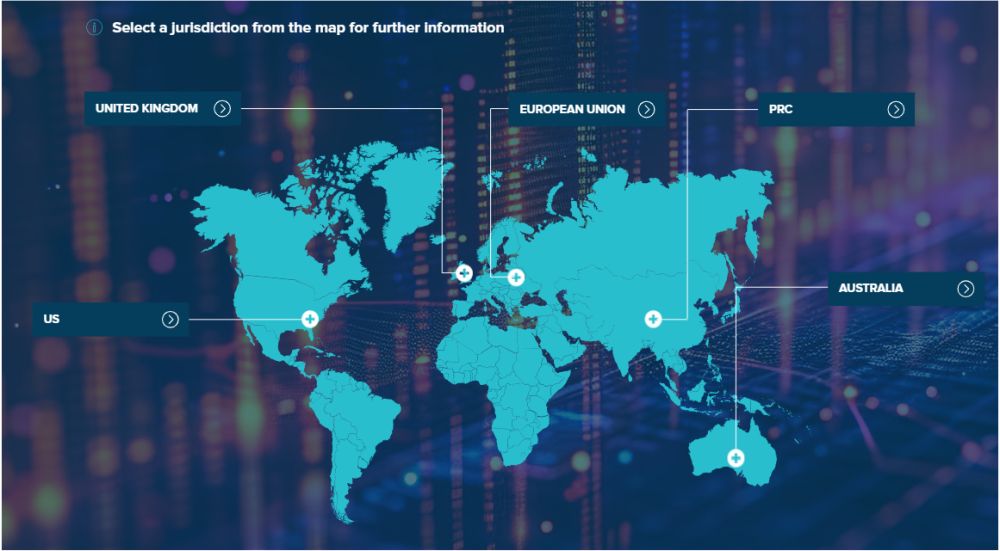
While the core principles - confidentiality, commercial value, and misappropriation - are consistent, enforcement mechanisms and scope vary. Multinational companies must tailor their protection strategies to local laws and risk profiles.
Conclusion
Trade secrets are a strategic and versatile asset in the modern IP landscape. They offer flexible, cost-effective protection for innovations that are best kept out of the public domain. Unlike patents or trade marks, their protection is not tied to rigid criteria of registrability or territorial scope, but to the company's ability to preserve secrecy through governance, culture and systems. However, their value hinges on active management – from internal policies to legal safeguards.
Read our next Hidden Value article onProtecting What Matters: How to Secure and Monitor Your Trade Secrets which offers some practical tips on how businesses can protect their trade secrets.
The content of this article is intended to provide a general guide to the subject matter. Specialist advice should be sought about your specific circumstances.
[View Source]