
The Growth Areas Infrastructure Contribution (GAIC) is a one-off charge that applies to certain land in Melbourne’s designated growth areas. The money collected helps fund essential infrastructure needed for growing communities, including roads, public transport, schools, and community facilities. GAIC is separate from stamp duty and land tax and is administered by the State Revenue Office (SRO).
GAIC generally applies to undeveloped land within Melbourne’s growth area corridors that has been brought into the Urban Growth Boundary and earmarked for urban development. Because the amount payable can be substantial, it is often a significant consideration for developers and landowners when assessing the feasibility of a project.
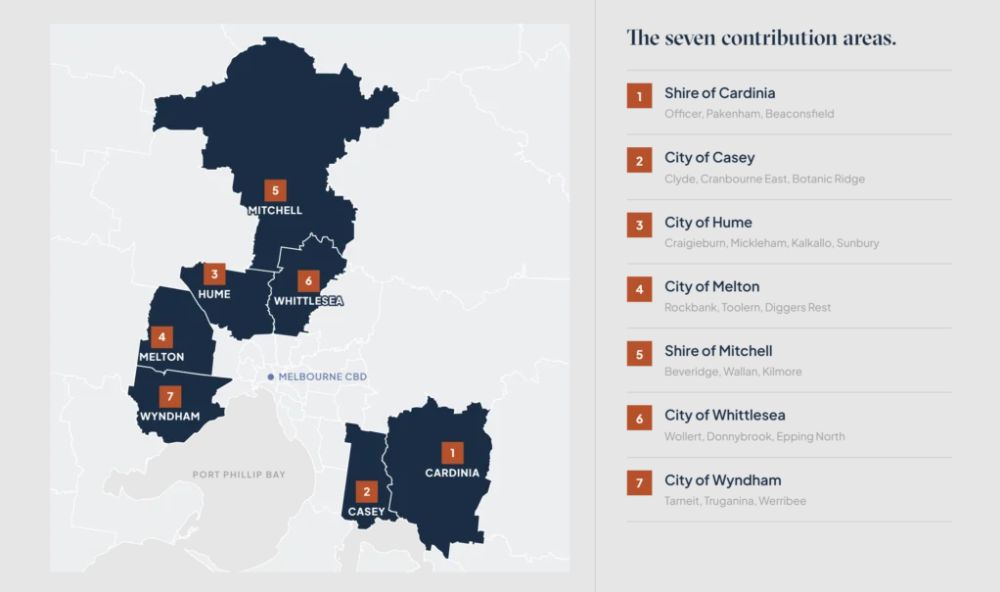
Currently, GAIC applies to land in Melbourne’s major growth area municipalities, including Cardinia, Casey, Hume, Melton, Mitchell, Whittlesea and Wyndham.
GAIC is generally triggered by one of the following events:
- a transfer of the land, including a sale or certain other dutiable transactions;
- the subdivision of the land, usually when a statement of compliance is issued for a plan of subdivision;
- an application for a building permit on the land; or
- a significant acquisition in an entity that owns GAIC-affected land.
In most cases, GAIC is only paid once in respect of the land. Once the liability has been satisfied or appropriately managed through the relevant SRO processes, the land is no longer subject to a future GAIC liability.
Importantly, not all land in growth areas will be subject to GAIC. There are a number of exemptions, exclusions and concessions, including exemptions that may apply to smaller landholdings and certain specific transactions. Whether an exemption is available depends on the particular circumstances and should be carefully reviewed.
Landowners and developers should also be aware that payment does not always have to be made immediately. In some circumstances, it is possible to defer payment or enter into staged payment arrangements, although interest and other conditions may apply.
As GAIC can significantly affect the cost of a development or land transaction, it is important to identify any potential liability early. Anyone buying, selling, subdividing or developing land in Melbourne’s growth areas should obtain legal advice and ensure the contractual arrangements properly allocate responsibility for any GAIC liability.
For the latest information, including current rates, certificates, exemptions and payment options, refer to the State Revenue Office’s Growth Areas Infrastructure Contribution guidance.
The content of this article is intended to provide a general guide to the subject matter. Specialist advice should be sought about your specific circumstances.
[View Source]